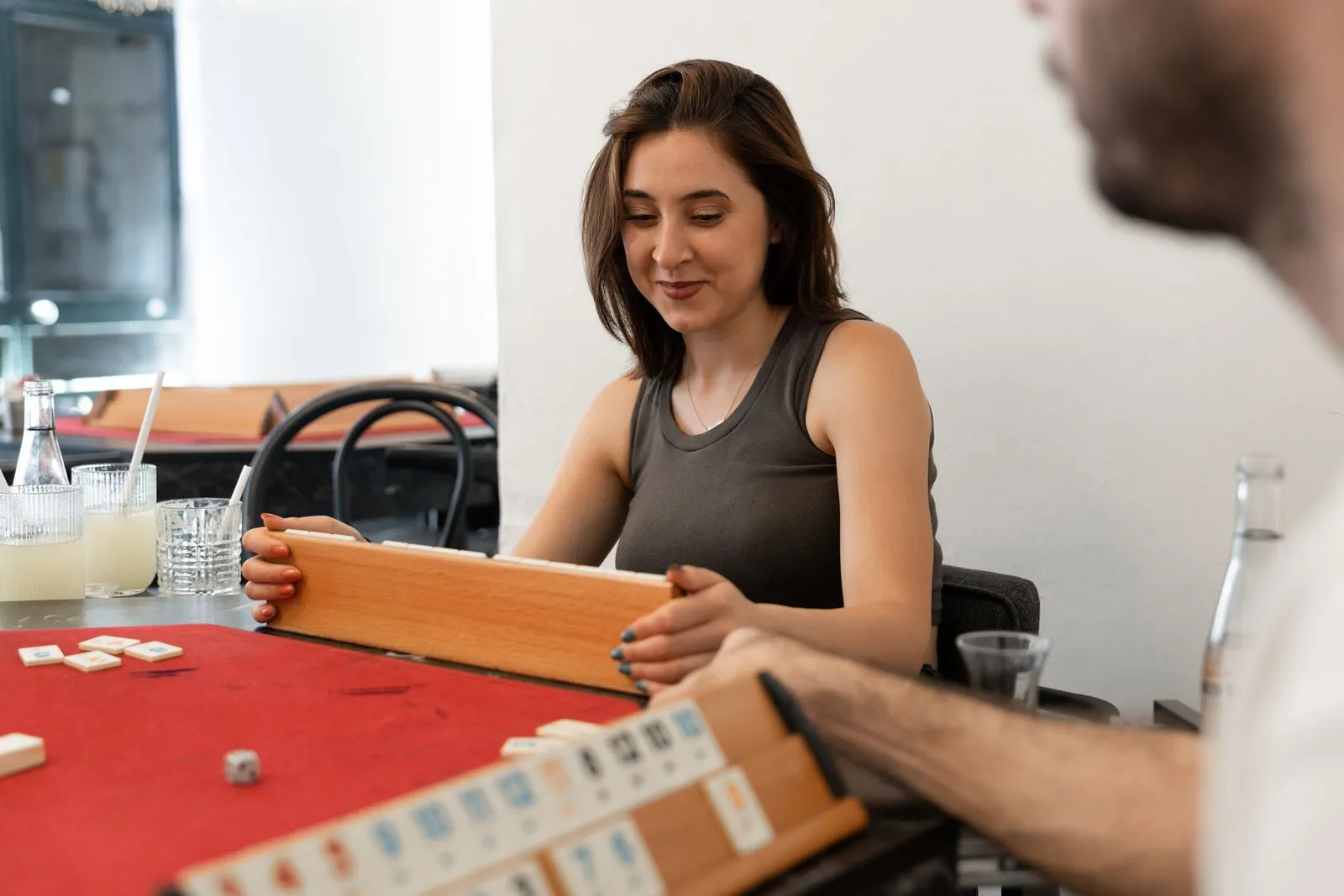
Board gaming can look intimidating when a table is covered in cards, pieces, and rulebooks. You do not need to study the rules before you go, though. Many games are designed to be taught in a few minutes, and a helpful host or experienced player can guide the group through the first turn. Start by looking for clear choices, short play times, and room to learn as you go. The right first game makes trying something new feel natural.
What Makes a Game Approachable
An approachable game explains its goal quickly. Players should understand what they are trying to do before they need to remember every detail. A simple turn structure also helps: choose an action, take it, then pass play to the next person. When the first decision is easy to spot, new players can begin participating right away.
Look for games with a manageable number of choices and a forgiving learning curve. Cooperative games can be especially comfortable because the group works toward a shared outcome rather than competing against a more experienced player. Shorter games are useful, too: everyone can try a strategy, see how it works, and decide whether to play again.
Ask for a Good First Pick
When choosing a game, tell the staff or your group that you are new. Mention how many people are playing, whether you prefer teamwork or friendly competition, and how long you would like to play. Those details help narrow the options. You can also say whether you enjoy word games, patterns, storytelling, deduction, or making plans with limited resources.
Before starting, ask for a short overview: the objective, what happens on a turn, and how the game ends. You do not need a complete explanation of every card or exception. A quick demonstration of one sample turn is often more useful than hearing all the rules at once.
Learn While You Play
Keep the first round focused on the basics. Ask questions when a choice is unclear, and let the group pause to check a rule rather than guessing. Many players are happy to explain a detail as it comes up. If the game has a reference card or player aid, keep it nearby so you can look up turn steps without interrupting the flow.
It is also fine to play a practice round with open hands or to restart after everyone understands the main idea. Treat early turns as a chance to explore, not a test of memory. If a game still feels difficult after the group has played a few turns, switch to something simpler. Enjoyment matters more than finishing a particular game.
Make the First Visit Comfortable
Choose a time when your group can settle in without rushing. Agree on whether you want a relaxed game or a more strategic challenge, then let the person teaching set expectations about the pace. If you are visiting a gaming venue, ask whether someone can recommend and teach a suitable game. That support can remove the pressure to arrive prepared.
For a smooth start, focus on three questions: What are we trying to achieve? What can I do on my turn? How does the game end? Once those answers are clear, you can learn the finer points as they matter. Bring curiosity, speak up when something is confusing, and give the game a few turns before deciding whether it suits you.
You can start board gaming without memorizing rules or knowing which titles to choose. Pick a game with a clear goal, ask for a brief explanation, and learn the details as you play. If you would like help finding a welcoming first game, ask Cambridge Game Parlour for a recommendation.